
Reviewed · MUSEUMS
Funchal: Sacred Art Museum of Funchal Entry Ticket
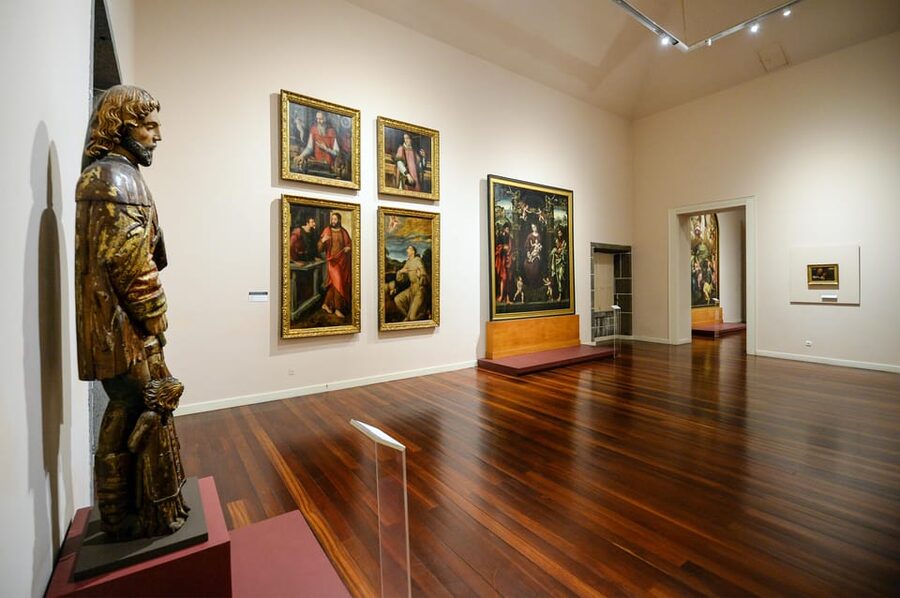
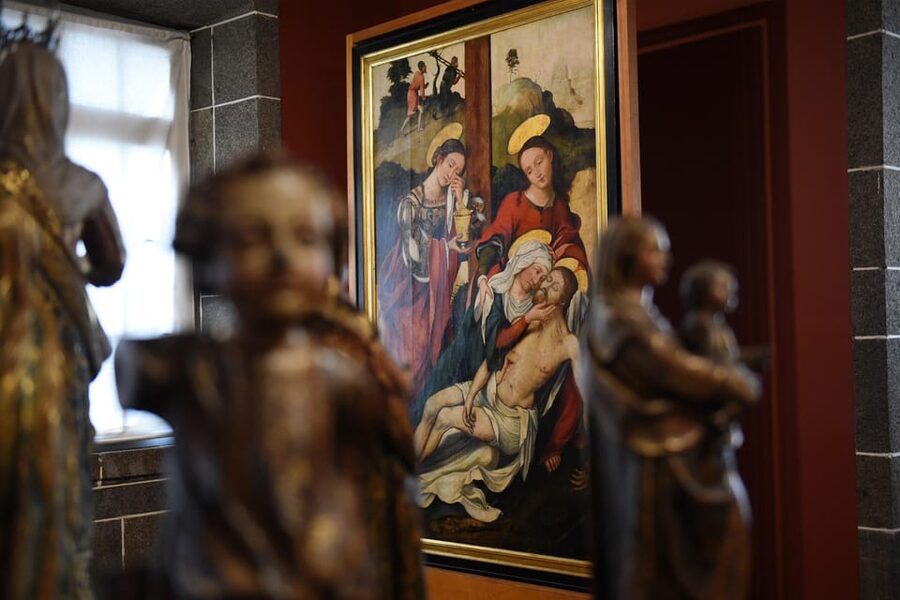
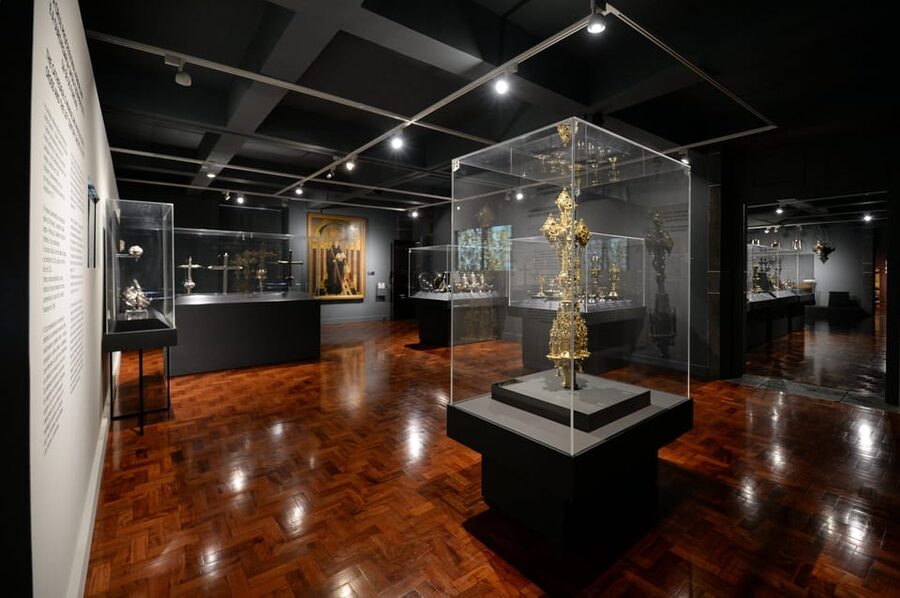
Funchal’s Sacred Art Museum brings five centuries of religious art into a compact, thoughtful visit. You move from Gothic painting and sculpture toward Renaissance and Baroque works, seeing how artistic styles changed across Madeira and Portugal. The collection also includes silver, vestments, and other church textiles.
I like the clear chronological approach, which gives you a useful thread instead of a random parade of old objects. I also like the building and terrace, which add architectural interest and a fine view to the museum visit. The main consideration is the guide option: one booking record describes the visit as unguided, so check that you select the guided option if personal explanation matters to you.
In This Review
- Key points to know before you go
- What you see inside Funchal’s Sacred Art Museum
- Following the collection from Gothic to Baroque
- Why the silver, vestments, and textiles matter
- The building and terrace are part of the experience
- Self-guided visit or live tour
- How much time should you allow?
- Is the $11 ticket good value?
- Who will get the most from this museum?
- Practical booking advice
- Should you book the Sacred Art Museum of Funchal?
- FAQ
- How much does entry to the Sacred Art Museum of Funchal cost?
- How long does the museum visit last?
- Is a guided tour included with the ticket?
- What languages are available for the guided tour?
- What types of art can I see?
- Which centuries does the collection cover?
- Is a small-group option available?
- Can I cancel my booking?
Key points to know before you go
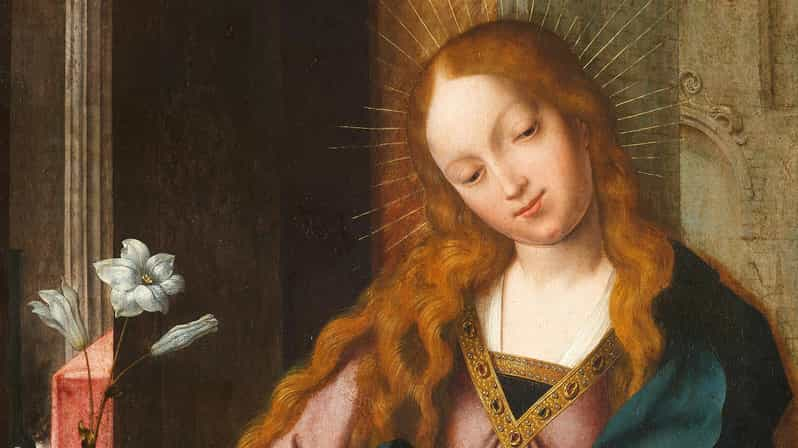
- Five centuries in one visit: See Portuguese religious painting and sculpture from the 15th through 18th centuries.
- A useful art-history sequence: Follow changes from Gothic forms to Renaissance Humanism and Baroque expression.
- More than paintings: The displays include sacred silver, religious vestments, textiles, and historic artifacts.
- Two ways to visit: Explore independently or choose a live guided tour in English or Portuguese.
- The terrace earns its place: The building itself is appealing, and the terrace offers a worthwhile view over Funchal.
- A short, flexible stop: The listed duration is 50 minutes, with free cancellation up to 24 hours before the visit.
What you see inside Funchal’s Sacred Art Museum
The museum is focused, not sprawling. That matters in Funchal, where you may be fitting culture between churches, markets, meals, and walks through the old center. A 50-minute visit gives you enough time to see the main collection without committing half a day to a single indoor attraction.
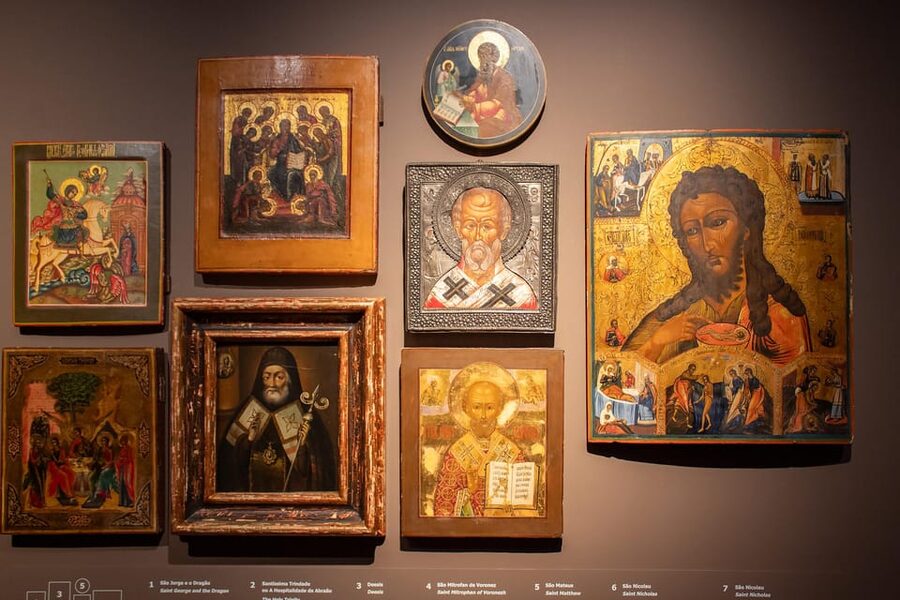
The central subject is sacred art connected with Madeira and Portugal. You will find paintings, sculpture, silverwork, vestments, and other textiles. These objects were made for worship, but they also tell you about the money, taste, trade, and artistic influences that shaped the island.
I find this kind of museum most useful when you want more than a quick look at church decoration. A painting here is not just an old religious scene. Its style can show how artists moved away from medieval conventions and toward more natural figures, stronger emotion, and greater attention to space and detail.
The collection spans the 15th to the 18th century. That range lets you see change over time rather than one fixed idea of religious art. It also makes the museum a good choice for visitors who want a short introduction to Portuguese art without tackling a large national museum.
More museums on Funchal:
- 3D Fun Art Museum Funchal
★ 5.0 · 178 reviews - Madeira: Private Cristiano Ronaldo Tour with CR7 Museum
★ 5.0 · 38 reviews - Funchal: 3D Fun Art Museum
★ 4.4 · 182 reviews
Following the collection from Gothic to Baroque
The chronological layout is one of the visit’s strongest features. Start with the earlier Gothic material, where religious images often follow formal patterns and present sacred figures with a more controlled, symbolic quality.
As you continue, Renaissance Humanism begins to influence the work. The description of the collection points to Flemish and Italian art, two important sources of artistic ideas in Portugal. You may notice changes in the treatment of the human body, facial expression, setting, and sense of depth.
This progression gives you something to look for. Rather than asking only if you like a painting, compare the earlier and later works. Do the figures seem more human? Is the space more convincing? Does the scene feel more dramatic? Those simple questions help turn a short museum visit into an active one.
The later Baroque material brings a different mood. Baroque art often aims for movement, intensity, and emotional force. In a religious setting, that can mean stronger gestures, more theatrical compositions, and a greater appeal to the senses.
You do not need a background in art history to follow this sequence. The museum’s value is that it lets you see the shift with your own eyes. If you choose the guide, you can also ask for help connecting the objects to Madeira’s place within Portuguese religious art.
Why the silver, vestments, and textiles matter
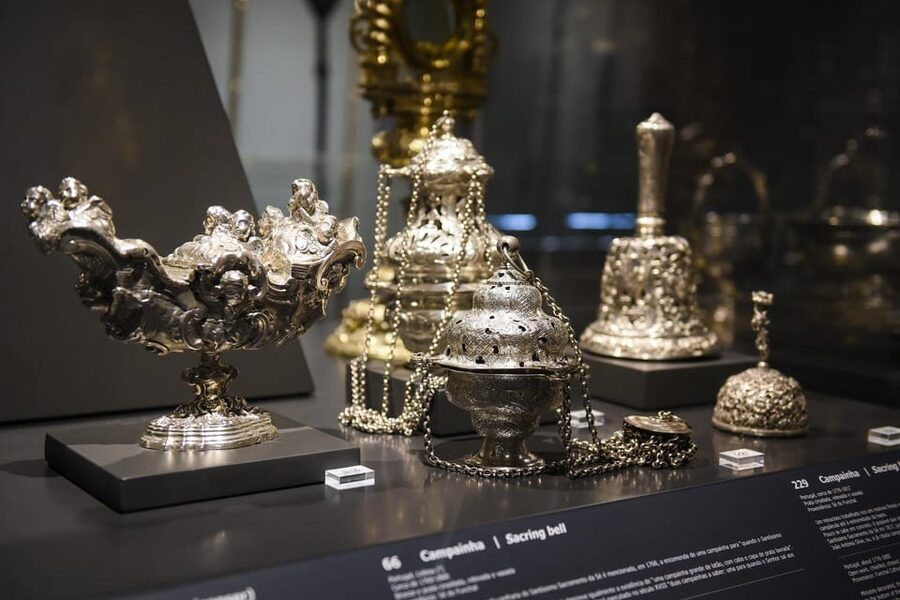
Paintings and sculptures usually get the attention, but the smaller decorative objects can be just as revealing. Sacred silver shows the care given to religious ceremonies and the resources available to churches and institutions.
Religious vestments and textiles add another layer. Their materials, patterns, and use point to the visual importance of worship. These are not simply clothes or fabric stored for practical reasons. They formed part of the ceremony and helped create a sense of occasion.
I recommend taking your time with these displays, even if you are mainly visiting for the paintings. They broaden the story from individual artists to the wider world in which the art was used. A silver object or embroidered textile can tell you about ceremony, status, craftsmanship, and devotion in ways a wall painting cannot.
The collection also includes a range of historic artifacts. The exact arrangement may vary, but the overall effect is broad enough to keep the museum from feeling like a single-medium gallery. You get painting, sculpture, metalwork, and fabric in one stop.
The building and terrace are part of the experience
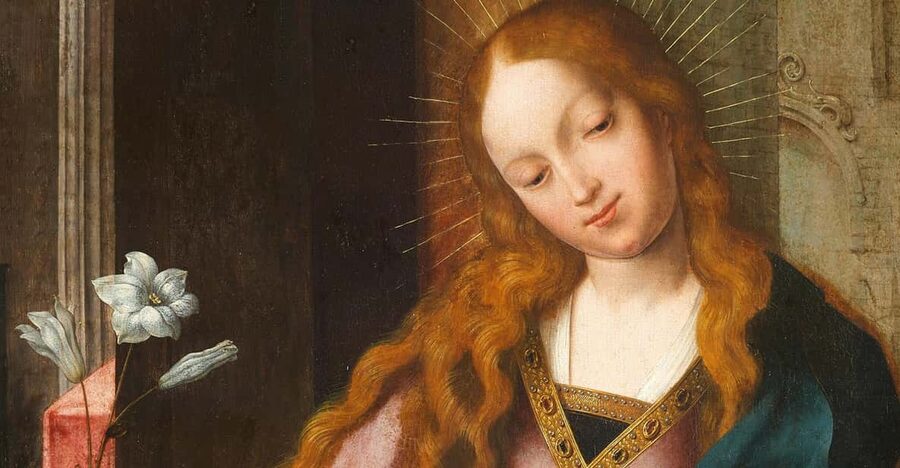
Do not rush out after the final gallery. The museum occupies a building with architectural appeal, and the terrace is one of the most useful extras included in the visit.
A terrace view can change the pace of a museum stop. After looking closely at dark interiors, painted surfaces, and detailed objects, stepping outside gives you a clearer sense of Funchal around you. The view is not a separate sightseeing tour, but it adds value to the entry price.
One particularly strong account of the visit praised the building and said the terrace view alone made the admission worthwhile. That is a fair point, especially if you enjoy historic architecture as much as art. The terrace also gives you a simple reason to visit even if your companions are less interested in religious painting.
The available information does not specify the exact view, the terrace size, or how long you can stay there. I would treat it as a valuable part of the museum, not as the main reason to book. The art collection remains the heart of the visit.
A few more Funchal walks and boat trips worth a look
- Funchal: MAMMA Museum & Concert Ticket with 1 Drink
★ 4.8 · 29 reviews - Caniçal : Madeira Whale Museum Entry ticket
★ 4.4 · 8 reviews - MAMMA Museum Entry Ticket
★ 4.0 · 4 reviews
Self-guided visit or live tour
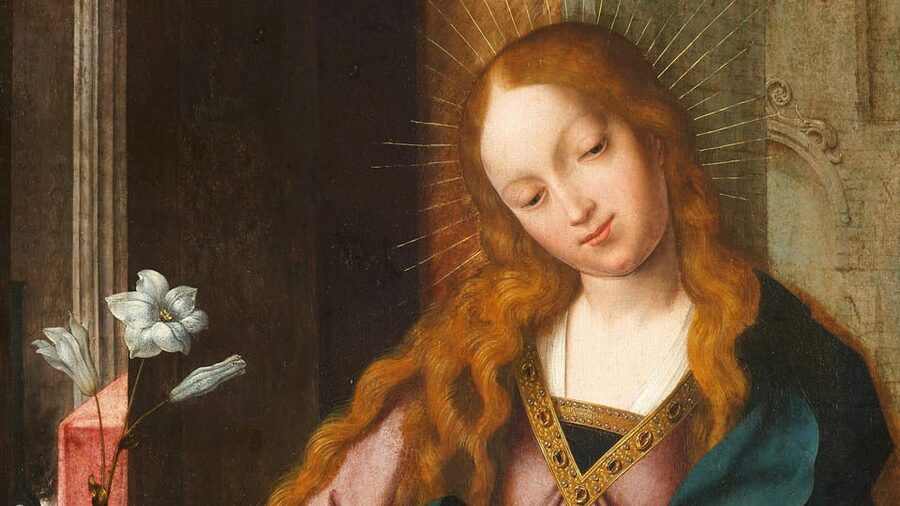
You can choose a free visit at your own pace or select a guided option. The live tours are offered in Portuguese and English, and a small group is available.
The self-guided choice suits you if you like to pause, move quickly through familiar subjects, or spend extra time with a few favorite works. It also gives you control over the visit’s rhythm. With only 50 minutes listed, that flexibility is useful.
A guide is the better choice if you want the collection explained as a connected story. The move from Gothic to Renaissance and Baroque is easier to understand when someone points out the visual changes. A guide can also help explain why Flemish and Italian influences appear in Portuguese religious art.
Choose carefully during booking. The activity information says a guided tour is included only if that option is selected. A booking record also describes a visit that was not guided, so you should not assume every admission comes with a person leading you through the museum.
The guide languages are Portuguese and English. No guide names are provided, so you cannot request a particular guide in advance. One guided visit was praised for the guide’s passion and strong grasp of the subject, which suggests the guided option can add real value when the collection is new to you.
How much time should you allow?
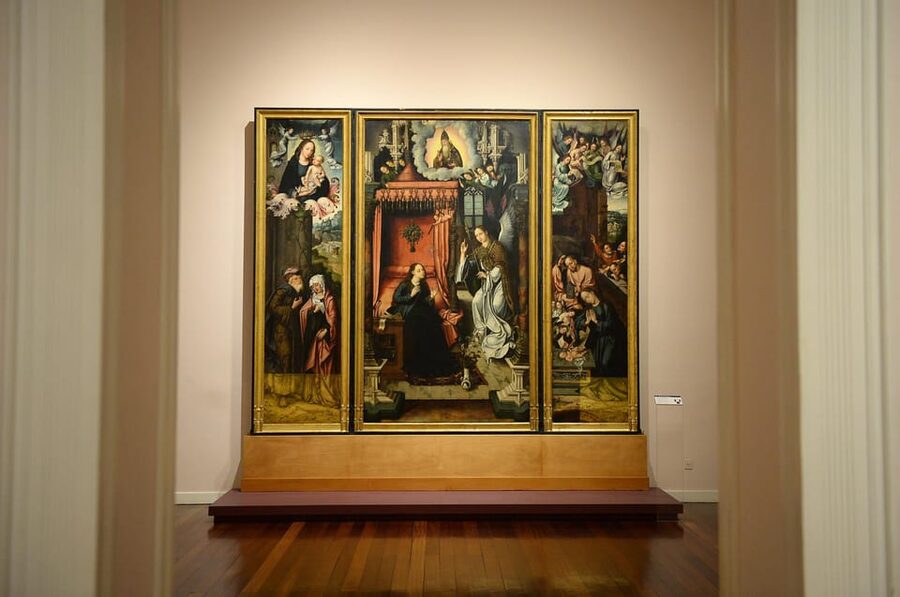
The stated duration is 50 minutes. That is enough for a brisk, organized look at the main collection, particularly if you follow the chronological route and avoid lingering over every object.
I would plan your visit in two stages. Use the first part to follow the collection from the earliest works through the Baroque period. Then return to the paintings, sculpture, silver, or textiles that caught your attention. If you read every label and spend time on the terrace, you may want longer than the official 50 minutes.
One booking account described the museum as a lovely way to spend a couple of hours. That does not change the listed duration, but it shows how the visit can expand if you take your time and include the building and terrace.
The museum works well as a planned cultural stop rather than an all-day outing. Its relatively short format makes it easy to pair with other sights in Funchal. You will get the most from it if you arrive with enough time to avoid racing through the final rooms.
Is the $11 ticket good value?
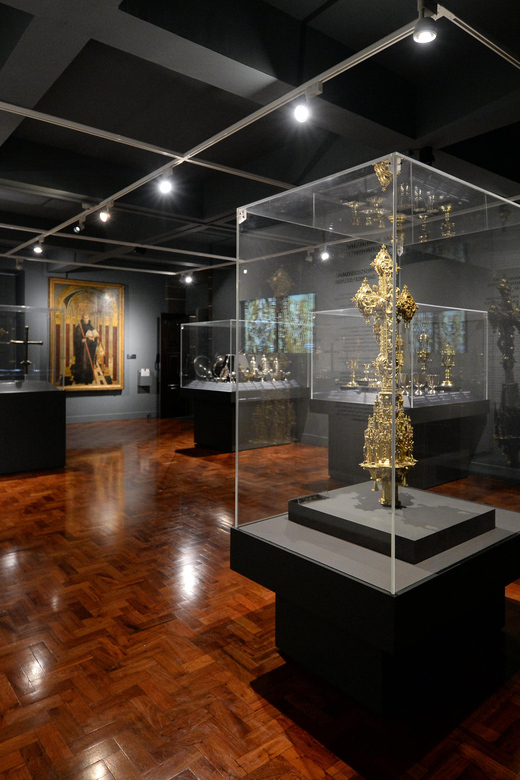
At $11 per person, the ticket is reasonably priced for a specialist museum with several types of historic material. You are paying for more than a room of paintings. The admission covers the collection, the building, and access to the terrace.
The value rises if you care about Portuguese art, church history, architecture, or decorative arts. It also rises if you choose the guided option and want the chronological story explained in English or Portuguese.
The value is less certain if you have very little interest in religious subjects. The museum’s focus is specific, and the material comes from a worship-centered tradition. You should not expect a general survey of Madeira or a broad art museum covering every period and style.
Residents of Madeira may have access to reduced prices that are not available through this booking option. If you live on the island, check the local rate before paying the standard $11 price.
For everyone else, the short duration helps. You can see a serious collection without spending a large part of your day or paying for a full guided excursion. That makes it a sensible choice for a rainy spell, a quieter afternoon, or a break from outdoor sightseeing.
Who will get the most from this museum?
I would recommend this visit to you if you enjoy:
- Portuguese painting and sculpture
- Religious art and historic church objects
- Architecture and old interiors
- Short cultural visits with a clear theme
- Art history presented in chronological order
- Small-group experiences rather than large tours
The guided version is especially useful if you do not know the difference between Gothic, Renaissance, and Baroque art. You can still enjoy the free visit, but the guide may help you notice details that are easy to miss when looking alone.
Families with older children may also find the chronological format helpful, since it gives them a simple visual challenge: find the changes in faces, bodies, movement, and space as the centuries pass. The supplied details do not specify children’s pricing or family facilities, so check those points before booking.
If your main goal is a sweeping view of Funchal, the museum should not replace a dedicated viewpoint. If you want a compact cultural stop with an added terrace, it fits well.
Practical booking advice
The activity offers free cancellation up to 24 hours before the visit, with a full refund. You can also reserve now and pay later, which helps if your Madeira schedule may shift.
Check availability for the starting times that suit you. The listed duration is 50 minutes, but the information does not provide a fixed daily schedule. Select the guided option explicitly if you want a live explanation.
English and Portuguese are the available guide languages. A small-group option is available, which should appeal to you if you prefer a more personal setting than a large group, though the exact group size is not stated.
Wear or bring whatever makes you comfortable for an indoor museum visit, but no special equipment is listed. The most important preparation is mental: this is a focused collection of sacred art, not a general attraction with entertainment in every room.
Should you book the Sacred Art Museum of Funchal?
Book it if you want a concise look at Madeira’s religious art, especially if you enjoy seeing artistic change over time. The chronological path, mix of paintings, sculpture, silver, and textiles, plus the attractive building and terrace, give the $11 ticket solid value.
Choose the guided option if context matters to you. Choose the free visit if you prefer to set your own pace or need a flexible 50-minute stop.
Skip it only if religious art holds no interest for you and you are looking mainly for outdoor views. For everyone else, this is a practical Funchal museum visit with enough variety to reward careful attention and a terrace that makes the stop feel pleasantly complete.
FAQ
How much does entry to the Sacred Art Museum of Funchal cost?
The listed price is $11 per person. Residents of Madeira may have access to reduced prices that are not available through this booking option.
How long does the museum visit last?
The stated duration is 50 minutes. You may spend longer if you take extra time with the exhibits, building, and terrace.
Is a guided tour included with the ticket?
A guided tour is included only if you select the guided option. The standard free visit allows you to explore independently.
What languages are available for the guided tour?
Live guided tours are available in Portuguese and English.
What types of art can I see?
The museum contains Portuguese religious paintings and sculptures, sacred silver, religious vestments, textiles, and other historic artifacts.
Which centuries does the collection cover?
The painting and sculpture collection covers the 15th through 18th centuries. The museum presents changes from the Gothic period through Renaissance influences and into the Baroque period.
Is a small-group option available?
Yes. A small-group option is available, although the exact group size is not provided.
Can I cancel my booking?
You can cancel up to 24 hours in advance for a full refund. You can also reserve your place and pay later, keeping your plans flexible.
Recently added Funchal trips
- Madeira: Craft Beer Tour★ 4.2 · 3 reviews
- Shore Excursion – Northwest Terraces and Volcanic Pools 4×4 tour★ 5.0 · 3 reviews
- Wine taste, 4×4 Jeep Adventure and Cabo Girão Skywalk★ 4.5 · 3 reviews
- Beautiful walks in Rabaçal, Madeira★ 4.0 · 3 reviews
- Private Breathtaking Sunrise Private Jeep Tour★ 5.0 · 3 reviews
- Madeira Pack 1 – Santana + Porto Moniz+ Curral das Freiras★ 5.0 · 3 reviews
- Do Funchal – Câmara de Lobos & Sky Walk Tuk Tuk Tour (2h30)★ 5.0 · 3 reviews
- Tuk Tuk Funchal City – Madeira Island★ 4.8 · 3 reviews
Museums, compared.



Old Town Tuk Tuk Tour with Drop-Off at CR7 Museum
Read our review →

Browse the lists this tour appears in