
Reviewed · MADEIRA
Bat Watching Madeira
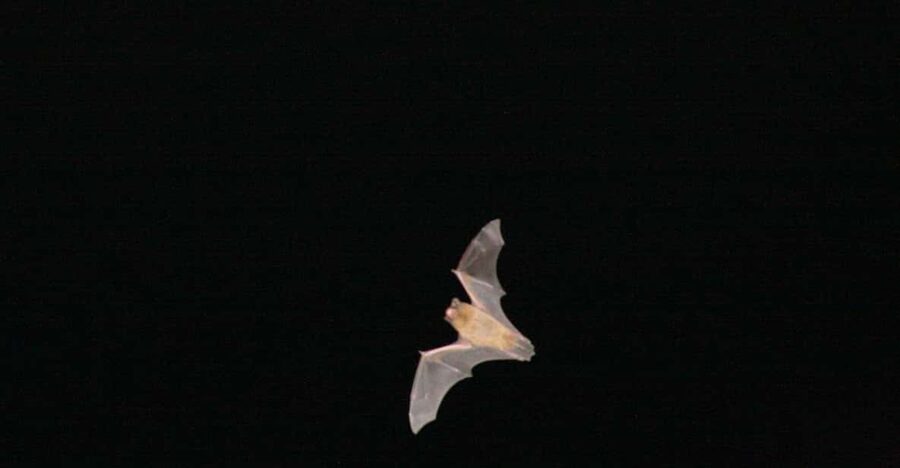
Madeira’s bats do their work after dark, and this three-hour night tour gives you a rare way to find them without disturbing their hunting. You listen for their ultrasonic calls, watch for movement with thermal equipment, and learn how these small mammals feed, defend food patches, and socialize. I like the hands-on science, and I like the small group size, limited to eight people. The $47 price also includes a naturalist guide, observation gear, a hot drink, and Funchal-area transfers.
The main catch is that bats are wild animals, not scheduled performers. Wind, damp air, and poor conditions can leave you hearing bats without seeing them. One evening included ultrasonic sounds but no visible bats, no thermal camera, and no hot drink, so you should book this for the learning and listening as much as for the chance of a close sighting.
In This Review
- Key points at a glance
- Why Madeira’s bats make a good night out
- Meeting the guide and becoming a bat scientist
- The first observation stop after dark
- Moving between three or four locations
- Thermal cameras, heat, and the limits of the equipment
- What the guide explains about Madeira’s bats
- The conservation angle
- The late-night timing and practical comfort
- Is $47 a fair price?
- Who should book this Madeira bat tour?
- FAQ
- How long does the Bat Watching Madeira tour last?
- How much does the tour cost?
- Where are transfers included?
- Which languages are available?
- Is the tour suitable for a small group?
- What should I bring?
- Should you book it?
Key points at a glance
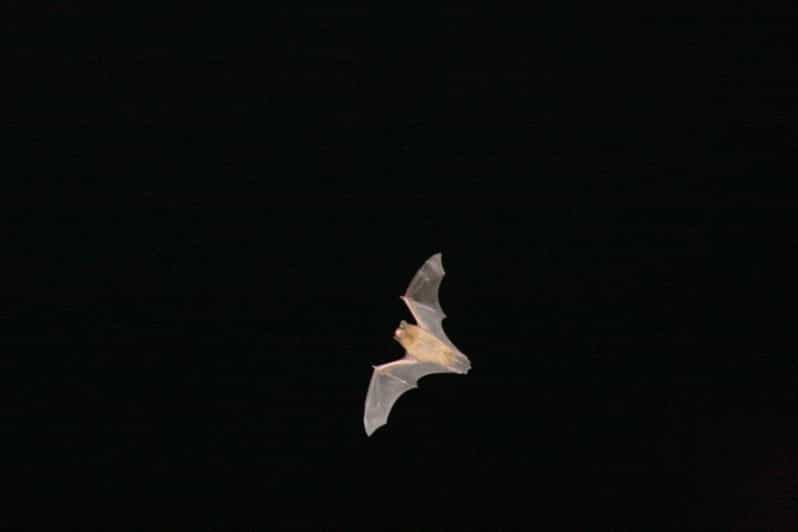
- Listen to bats with ultrasound detectors: You hear calls that human ears cannot detect on their own.
- Visit three or four observation locations: The night is not limited to one fixed viewing point.
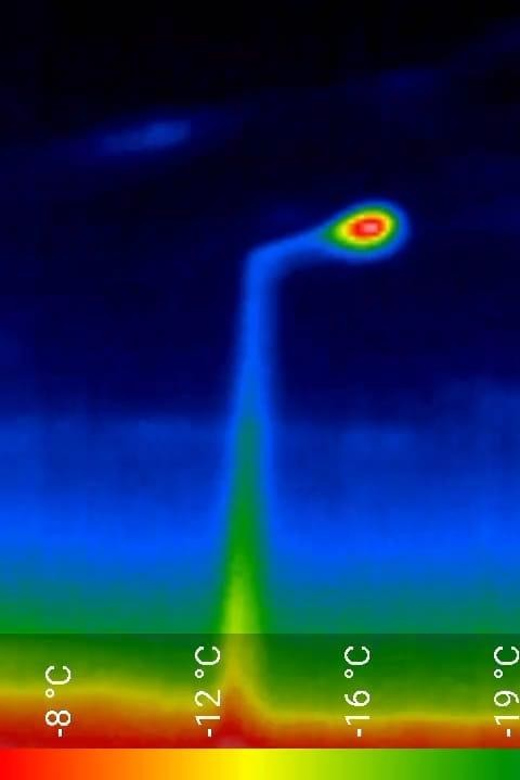
- Work with thermal sensors: The equipment can help locate warm-bodied animals in the dark, though its use can depend on conditions and availability.
- Learn from bat specialist Sergio: He brings academic and conservation experience to the explanations.
- Keep the group small: With no more than eight participants, it is easier to ask questions and share the equipment.
- Support interest in Madeira’s native mammals: The tour connects night wildlife watching with conservation work.
Why Madeira’s bats make a good night out
Madeira is best known for ocean views, mountain walks, gardens, and levada paths. Bats offer a different side of the island. They are active when most visitors are winding down, and they are difficult to spot without the right tools.
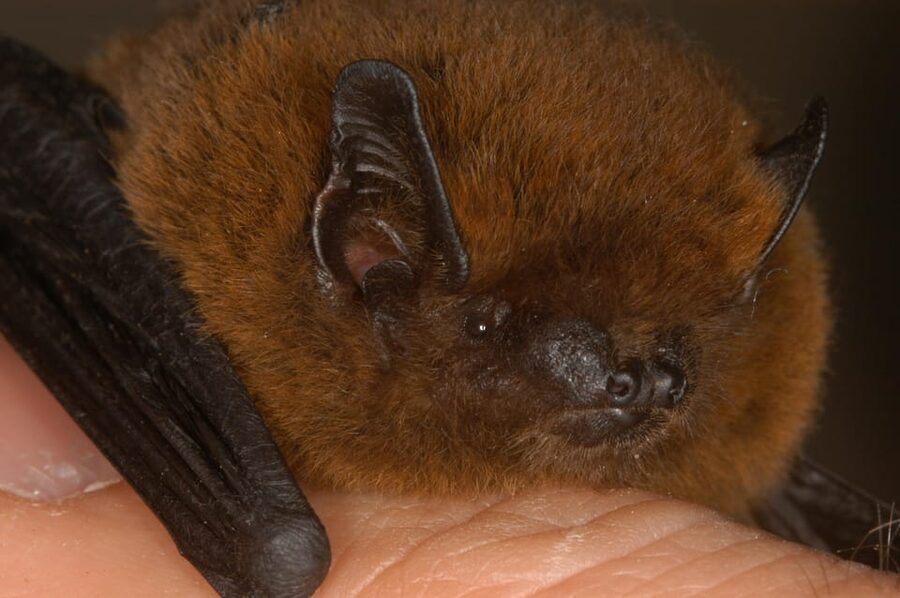
These are Madeira’s only native land mammals, which gives the outing a clear local focus. You are not simply looking for a familiar animal in the dark. You are learning about a small group of species tied to the island and its habitats.
The tour also gives you a more accurate idea of how wildlife watching works. A bat may pass overhead in a second, remain hidden among trees, or reveal itself only through a sharp pattern on the detector. That uncertainty is part of the activity, not a fault in the plan.
I especially like that the tour asks you to listen before you expect to see anything. Ultrasound detectors turn an invisible part of the night into something you can follow. You may hear a bat hunting nearby even when your eyes find nothing.
Other ways to spend a day on Madeira:
- From Funchal: Ecological Catamaran Dolphin Whale Watching
★ 4.5 · 5,771 reviews - Madeira: Skywalk, Porto Moniz, Seixal, and Fanal 4WD Tour
★ 4.9 · 5,732 reviews - Funchal: Dolphin and Whale Watching Catamaran Cruise
★ 4.5 · 5,697 reviews
Meeting the guide and becoming a bat scientist
The activity is led by a naturalist guide, with English and Portuguese available. Sergio is identified as a bat specialist, professor, and participant in conservation programs, so you can expect more than a basic nature walk.
His role matters because bat watching can seem vague at first. Without guidance, a dark sky and a few quick movements do not tell you much. A good explanation helps you understand what the detector is showing, what different calls may mean, and why the animals are using a particular area.
You are given observation materials, including ultrasound bat detectors and thermal sensors. Rather than standing back while someone else handles the equipment, you take part in the search. The wording of the activity calls this becoming a bat scientist for the night, and that is a fair description of the hands-on approach.
The group limit of eight is useful here. Equipment can be shared without turning the activity into a crowd, and you have a reasonable chance to ask about the species, their food, their homes, and their behavior. A small group also helps keep the night quieter, which is important for an activity based on sound.
The first observation stop after dark
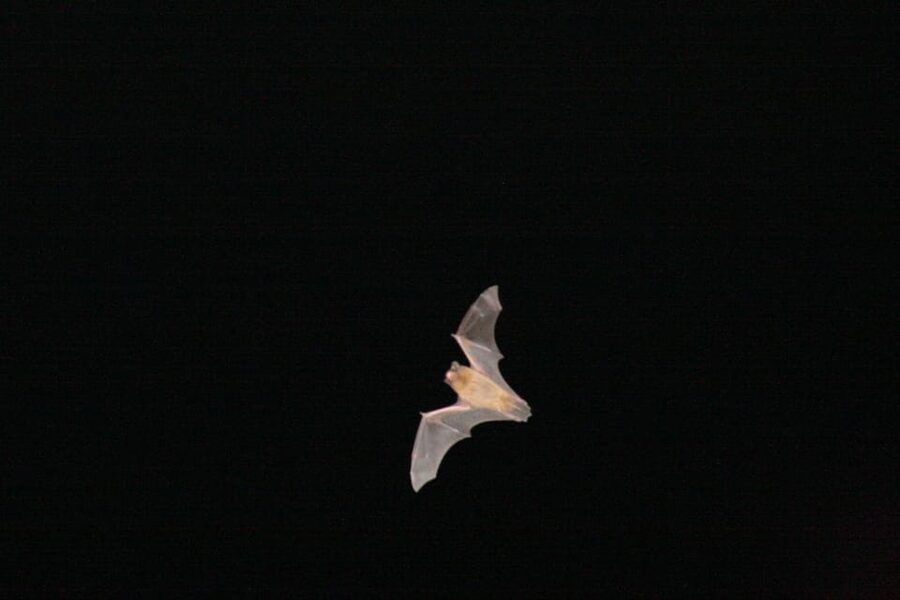
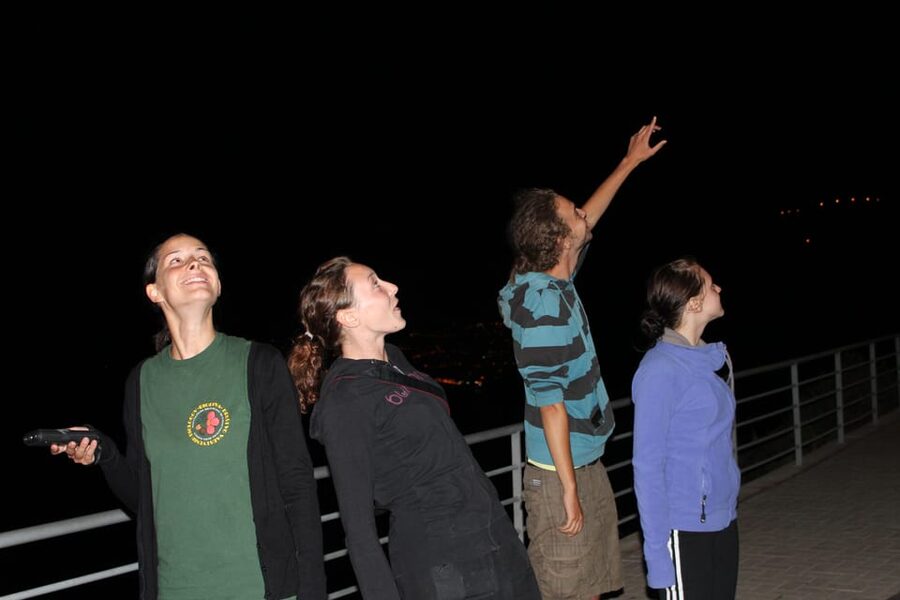
The exact route and starting point can vary, but the night includes several observation areas. One participant described visiting three or four locations, which gives you a sense of the outing: you are not expected to wait in one place for the entire three hours.
At the first stop, your guide can explain how the detectors work and what kind of sound you should listen for. Human hearing cannot pick up bat ultrasound directly, so the device converts or registers those calls in a form you can detect.
This is the point where patience helps. The first few minutes may feel quiet, especially if you are expecting immediate action. Give yourself time to notice the rhythm of the equipment and to separate a bat signal from ordinary night sounds.
You may hear a bat before you see one. That can be surprisingly satisfying because the detector gives you proof that the animal is nearby, even when the darkness hides it. It also shows why ordinary sightseeing habits do not work well here. You need to listen, pause, and let the guide interpret what is happening.
Moving between three or four locations
The change of locations adds useful variety. Different spots can offer different conditions for hunting and movement, and the guide can compare what you detect from one place to the next.
The activity description says you may observe bats as they hunt prey, defend food patches, and socialize. Those behaviors give the evening more shape than a simple search for silhouettes. Your guide can connect the sounds and movements to what the bats are doing.
Do not expect a tightly scripted parade of stops. Wildlife activity changes by night, and the tour has to respond to what is happening. A location may produce several signals, while another may be quiet. The advantage of moving is that you get more than one chance. The drawback is that changing places takes time, and a successful sighting is never guaranteed.
Comfort matters during these pauses. Bring comfortable shoes and warm clothing, even if the day in Funchal feels mild. Night air can feel colder and damper than expected, and one outing was affected by wind and humidity. Wear comfortable clothes that let you stand or walk without fuss.
Same island, a completely different kind of day:
- Funchal: Enchanted Terraces, Porto do Moniz & Fanal 4WD Tour
★ 4.8 · 4,930 reviews - Porto Moniz, Seixal, Fanal Forest, Cliff Skywalk in Open Roof 4X4
★ 5.0 · 3,631 reviews - From Funchal: Best of Madeira’s West Tour
★ 4.7 · 3,463 reviews - Madeira: Best of the East Tour from Funchal
★ 4.7 · 3,364 reviews
Thermal cameras, heat, and the limits of the equipment
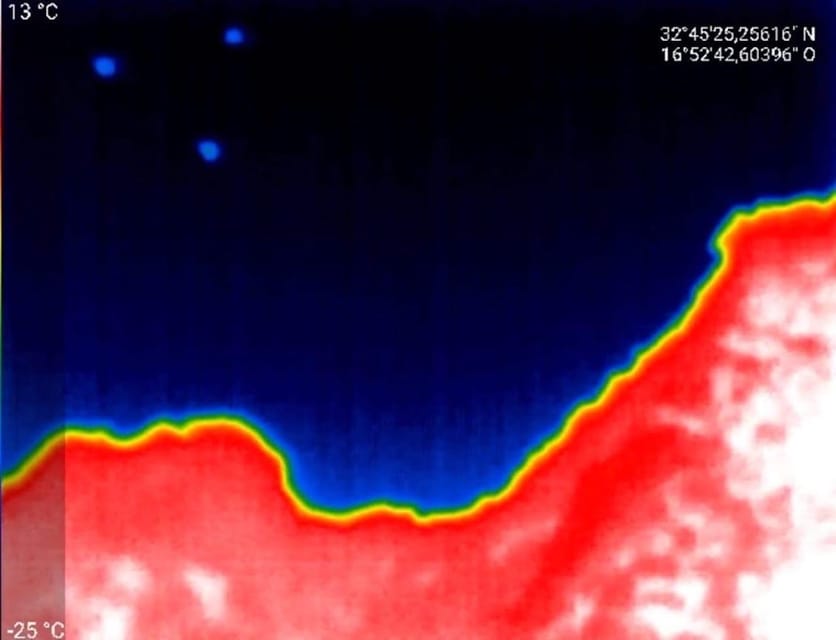
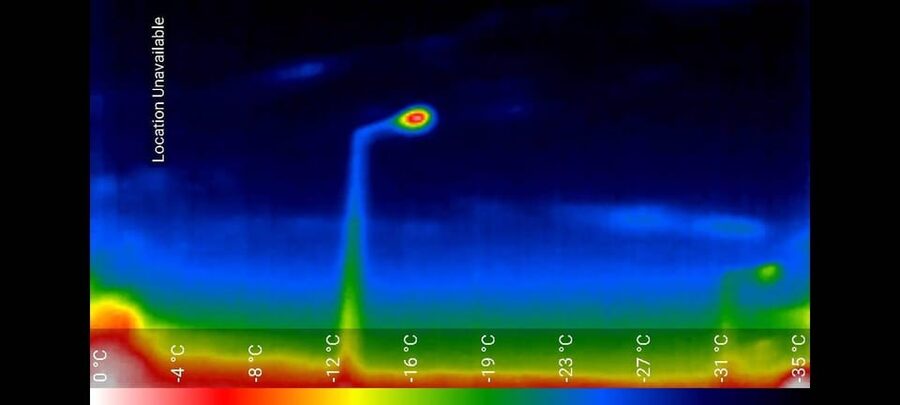
Thermal cameras and sensors are among the most appealing parts of the tour. In theory, they can help locate warm-bodied animals against a dark background and give you a better chance of following movement that your eyes miss.
Still, you should treat the thermal equipment as a tool, not a guarantee. One evening did not include a thermal camera, despite it being part of the advertised experience. The available equipment may depend on the night, the guide, or operating conditions.
That point is worth keeping in mind before you book. If your main goal is to see a bat clearly through a thermal image, you may be disappointed. If you enjoy learning how wildlife researchers detect animals, the equipment remains valuable even when the animals stay out of sight.
The same applies to the ultrasound detectors. They can confirm bat activity, but they do not turn every call into a visible animal. I would consider a night with several clear acoustic detections a worthwhile result, especially when the guide explains what you are hearing.
What the guide explains about Madeira’s bats
The evening covers the bats’ basic ecology and behavior. You learn about the different types found on the island, where they live, and what they eat. The focus is practical rather than abstract: the information helps you understand what you are seeing or hearing at each location.
The tour also looks at hunting. Bats use sound to find and track prey, and the detectors let you connect that invisible process with the animal’s movements. You may hear changes in the signals as a bat works an area or moves on.
Food patches and social behavior add another layer. A bat is not simply flying at random. It may be using a favored feeding spot, protecting access to food, or interacting with others nearby. These details make the night feel like a study of animal behavior rather than a hunt for a quick photograph.
Images and species information are included, giving you something concrete to refer to during the explanations. That is helpful because brief night sightings are hard to identify by shape alone.
The conservation angle
Madeira’s native bats are the only native land mammals on the island, so their protection has local importance. The tour links your observation with conservation, helping you understand why records of where and when bats are active can matter.
The available information does not specify a separate conservation donation or a formal research task for each participant. What it does make clear is that the activity is built around conservation awareness and direct observation. You learn to notice the animals without treating them as a spectacle.
That approach suits people who want wildlife encounters to have an educational purpose. It is also a good fit for families who enjoy asking questions. A verified booking with children aged seven and nine was described as highly educational and engaging for both children, though the late finish should be considered before bringing young ones.
The late-night timing and practical comfort
The tour lasts three hours and takes place at night. Starting times vary, so check the available slot carefully when booking. You should expect to finish late enough that the outing may not suit children who need an early bedtime or anyone with a morning hike planned.
Transfers are included within the Funchal area, and hotel and cruise transfers are available there. If you are staying outside Funchal, contact the provider before booking to ask about possible pickup options. Do not assume a transfer from every part of Madeira is covered.
A hot beverage is included in the stated package, which makes sense for a cool night outdoors. However, one outing did not receive that drink. I would bring water and dress warmly rather than rely on the beverage as your main comfort measure.
Alcohol and drugs are not allowed. Comfortable shoes are the sensible choice, and warm clothing matters more than dressing for the daytime temperature.
Is $47 a fair price?
At $47 per person, this is not a cheap way to spend an evening compared with a simple walk or self-guided viewpoint. You are paying for a specialist-led activity, three hours of instruction, observation materials, and transfers within Funchal.
The value improves if you would otherwise have no way to use an ultrasound detector or thermal equipment. Buying or arranging that gear on your own would not be practical for most short visits. The small group also gives the price more weight than a large coach outing would have.
The value is less certain if you need guaranteed sightings or clear thermal images. Wild bats do not follow a timetable, and the conditions can affect both what you see and what equipment is available. I would judge the price by the chance to learn and listen, not by the number of bats you photograph.
The activity has a 4.6 rating from three ratings, so the available score is encouraging but based on a small sample. The strongest praise centers on the educational quality, the guide’s specialist background, and the chance to visit several locations. The clearest criticism concerns weather, visibility, the missing thermal camera, and the missing hot drink on one night.
Who should book this Madeira bat tour?
I would recommend it to curious families, wildlife fans, photography-free nature watchers, and anyone who has already seen Madeira’s daytime sights. It gives you a reason to slow down and pay attention to sounds that normally disappear into the background.
It is also a strong choice if you prefer a small group and want to ask detailed questions. The English and Portuguese options make the activity accessible to a wider range of visitors, and Sergio’s background adds depth for people who enjoy science.
I would hesitate if you dislike standing outdoors at night, feel cold easily, or need a guaranteed visual encounter. The tour can produce an exciting sighting, but it can also produce only a few audible detections. That is a normal risk with wildlife watching, not something the price removes.
FAQ
How long does the Bat Watching Madeira tour last?
The activity lasts three hours. Check the available starting times when you book because the schedule can vary.
How much does the tour cost?
The listed price is $47 per person.
Where are transfers included?
Hotel and cruise transfers are included within the Funchal area. Transfers outside Funchal require contact with the provider to ask about possible pickup alternatives.
Which languages are available?
The tour is offered with a live guide in English or Portuguese.
Is the tour suitable for a small group?
Yes. The group is limited to eight participants.
What should I bring?
Bring comfortable shoes, warm clothing, and comfortable clothes. Alcohol and drugs are not allowed.
Should you book it?
Book this tour if you want a rare, science-based look at Madeira after dark and can accept that listening may be the main reward. The combination of ultrasound detectors, several observation locations, and a small group makes the activity more engaging than simply walking outside and hoping to spot a bat.
Go with realistic expectations. Wind and humidity can reduce sightings, and the thermal camera or hot drink may not be available on every outing. If you see a bat, hear several calls, and leave knowing more about Madeira’s native mammals, the $47 fee is well spent.
Recently added Madeira trips
- Madeira: Private Guided Half-Day Tour of Northwest Madeira★ 5.0 · 3 reviews
- Basic Tour 1 – Shuttle (Quinta do Lorde to Cais do Sardinha) (one way)★ 4.5 · 3 reviews
- Amazing experience with Bees, honey and Pollen in Madeira Island★ 5.0 · 3 reviews
- Madeira: Craft Beer Tour★ 4.2 · 3 reviews
- Madeira all day jeep nature tours.★ 3.7 · 3 reviews
- Shore Excursion – Northwest Terraces and Volcanic Pools 4×4 tour★ 5.0 · 3 reviews
- Wine taste, 4×4 Jeep Adventure and Cabo Girão Skywalk★ 4.5 · 3 reviews
- Funchal: Sacred Art Museum of Funchal Entry Ticket★ 4.6 · 3 reviews