
Reviewed · MADEIRA
Madeira: Birdwatching – The Endemics
Madeira’s best birdwatching targets are not spread across one easy park. This 4.5-hour small-group tour links several sites, including São Lourenço and the laurel forest, to give you a real chance at the island’s special birds. The prize sightings are the Madeiran Firecrest, Trocaz pigeon, and Madeiran Chaffinch.
I like the maximum group size of eight, which makes quiet observation more practical and gives you better access to the guide. I also like that optics and other observation material are supplied, so you do not need a suitcase full of birding gear to join.
The main caution is simple: wild birds set the schedule. One booking reported few species and limited explanation, while other outings produced three endemic species. If you need constant action, this may feel slow. If you enjoy patient searching in fine scenery, it can be excellent value.
In This Review
- Key points at a glance
- Why Madeira’s endemic birds make this tour special
- São Lourenço brings a different side of Madeira
- The laurel forest is the main event for woodland birding
- Guides Alex and Alexandre shape the quality of the outing
- What the 4.5-hour schedule feels like
- Is $64 a fair price?
- Who should book this Madeira bird tour?
- Pickup, group size, and practical planning
- Should you book it?
- FAQ
- Where does the birdwatching tour start and finish?
- How long does the experience last?
- Which birds might I see?
- Which places does the tour visit?
- Is observation equipment provided?
- How large is the group?
- Which languages are available?
- What should I bring?
- Can I cancel the booking?
Key points at a glance
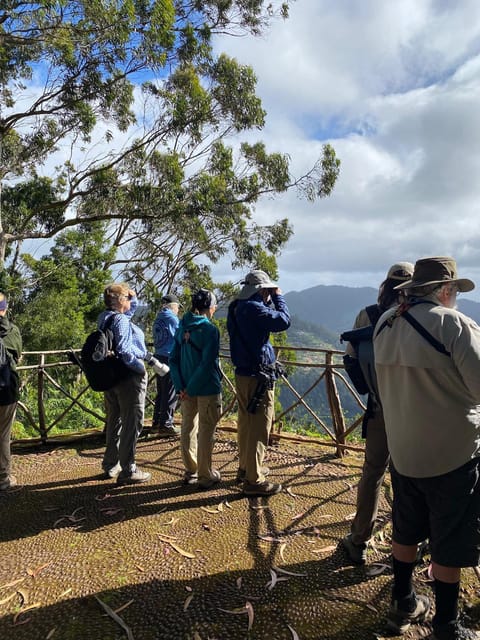
- Three important endemic targets: Look for the Madeiran Firecrest, the Trocaz pigeon, and the recently acknowledged Madeiran Chaffinch.
- São Lourenço and the laurel forest: The route joins Madeira’s dry eastern peninsula with its cool, wooded interior.
- Small groups of up to eight: Fewer people mean less noise and easier access to the guide.
- Guides named Alex and Alexandre: Both are praised for strong knowledge of Madeira’s birds, plants, and natural settings.
- Equipment included: Observation material is supplied, though you can bring your own binoculars or camera.
- Funchal and Caniço pickup: Transport is available in these areas, with other locations requiring prior arrangement.
Why Madeira’s endemic birds make this tour special
Madeira is not simply a place to count familiar garden birds. Its isolation has produced birds that are closely tied to the island, making a short birdwatching trip more rewarding than a general nature outing.
The Madeiran Firecrest is the most realistic target for many visitors. It is small and active, so spotting one takes patience, but a walk beside a levada has produced several sightings on one outing. You may see movement among flowers and branches before you get a clear view. This is exactly where a guide and supplied observation equipment help.
The Trocaz pigeon, also called the Laurel pigeon, is a more elusive prize. It is associated with Madeira’s laurel forest and may require quiet watching from a suitable point. Seeing a pair is a memorable result, but you should not expect them to appear on command.
The Madeiran Chaffinch gives the tour another strong target. It was described during one outing as the island’s bluefinch, but the activity information identifies it as the Madeiran Chaffinch. You may also see more familiar birds along the way, adding variety when the rare species keep out of sight.
I like this mix of likely and difficult targets. The Firecrest may reward a careful walk, while the Trocaz pigeon asks you to slow down and watch. That range keeps the outing from becoming a simple drive between photo stops.
Other ways to spend a day on Madeira:
- From Funchal: Ecological Catamaran Dolphin Whale Watching
★ 4.5 · 5,771 reviews - Madeira: Skywalk, Porto Moniz, Seixal, and Fanal 4WD Tour
★ 4.9 · 5,732 reviews - Funchal: Dolphin and Whale Watching Catamaran Cruise
★ 4.5 · 5,697 reviews
São Lourenço brings a different side of Madeira
São Lourenço peninsula gives the tour a useful change of scene. It is one of the named Important Bird Areas visited during the outing, and it offers a drier, more open setting than the laurel forest.
The peninsula matters here because several habitats are covered in one half-day. You are not spending all four and a half hours in one patch of woodland hoping that a bird appears. Instead, the guide can use different sites and conditions to improve your chances.
You may walk at some locations and sit quietly at others. That flexibility is important. Active walking can help you cover ground and notice birds feeding among plants, while staying put gives shy species a better chance to appear.
Do not book this as a scenic hike with a little birdwatching on the side. The outing is guided around finding birds, and some time may be spent waiting. Comfortable shoes are essential, and the provider specifically asks you to bring clothing that can get dirty. That tells you to expect real outdoor conditions rather than a polished sightseeing ride.
The exact order of stops is not fixed in the supplied details, so your guide will determine how the route works on the day. Weather and bird activity can affect the result. One February outing had poor weather but still earned high praise for the guide, which is a useful reminder that the experience depends on more than sunshine.
The laurel forest is the main event for woodland birding
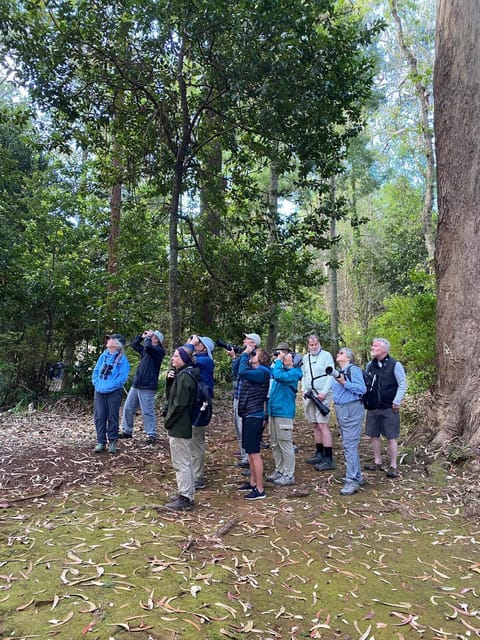
Madeira’s laurel forest is the most important stop if the Trocaz pigeon is high on your wish list. It also offers good conditions for the Madeiran Firecrest, which has been seen in numbers along a levada during one outing.
A levada walk can be a fine setting for birdwatching because you move slowly through changing vegetation rather than rushing from one viewpoint to another. One described outing included many flowers as well as several Firecrests. You may find the flowers and plant life just as useful as the birds for understanding why this habitat matters.
The forest stop also shows why the guide’s role is central. You will need help with identification, calls, behavior, and where to direct your eyes. A tiny bird can be easy to miss when it moves quickly through foliage. A Trocaz pigeon can be even more frustrating if you are looking in the wrong place.
The possible weakness is that the woodland portion may not deliver a wide list of species every time. One low-rated experience reported repeated sightings of the same birds and too little explanation. I would treat that as a fair warning for serious birders: the outing is focused on Madeira’s key endemics, not on building the longest possible checklist.
Guides Alex and Alexandre shape the quality of the outing
The strongest part of this experience appears to be the guide. Alex is praised for being excellent and very informed, while Alexandre is described as offering detailed information about both birds and plants. The names matter because your guide does more than drive between locations.
A good guide can turn a quiet spell into useful time. You may learn how Madeira’s natural areas fit together, why certain birds favor one habitat, and what to watch for while the vehicle is moving between stops. Alexandre has also used the drive to explain how Madeira may have looked in earlier times, giving the scenery more meaning without turning the trip into a lecture.
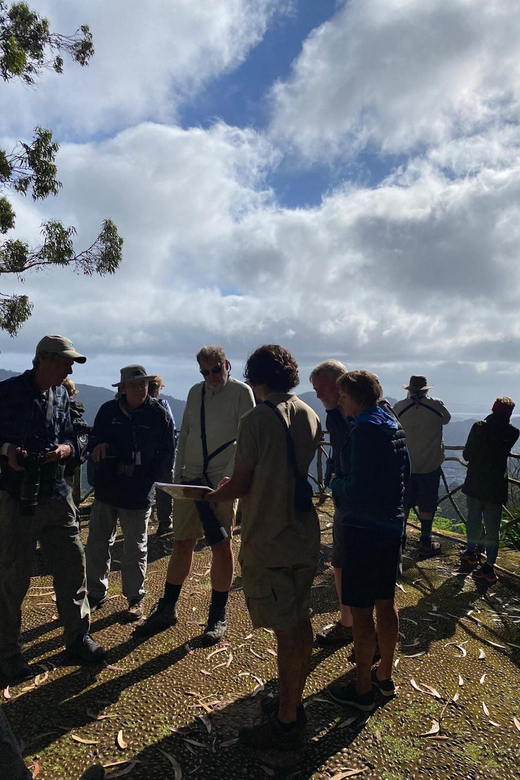
The guide also controls the pace. Birdwatching needs a different rhythm from ordinary sightseeing. You may walk for a while, stop to watch, move again, and pause when a bird appears. In a group of eight or fewer, it is easier to hear instructions and share a viewing point without a crowd gathering around you.
Still, guide quality can vary from one departure to another, and the lower score shows why expectations should stay realistic. If detailed interpretation is especially important to you, ask who will lead your outing and what observation equipment is supplied before booking. Alex and Alexandre are the names connected with the strongest feedback, but the booking information does not promise a particular guide.
Same island, a completely different kind of day:
- Funchal: Enchanted Terraces, Porto do Moniz & Fanal 4WD Tour
★ 4.8 · 4,930 reviews - Porto Moniz, Seixal, Fanal Forest, Cliff Skywalk in Open Roof 4X4
★ 5.0 · 3,631 reviews - From Funchal: Best of Madeira’s West Tour
★ 4.7 · 3,463 reviews - Madeira: Best of the East Tour from Funchal
★ 4.7 · 3,364 reviews
What the 4.5-hour schedule feels like
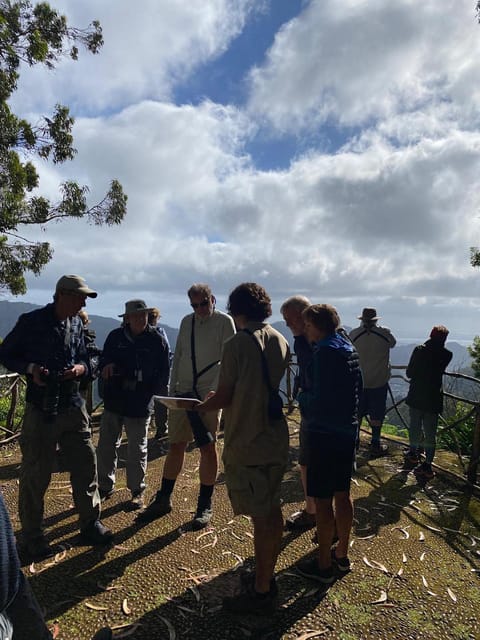
Pickup is available in Funchal and Caniço, followed by a guided outing around Madeira and a return to Funchal. The tour lasts 4.5 hours, which is long enough to visit several sites without taking up a full day.
That length suits a morning or afternoon in a larger Madeira itinerary. You still have time for another activity, but the tour is not so short that every stop feels rushed. The exact start time depends on availability, so check the schedule before you arrange other plans.
The route includes places to walk and places to sit and watch. Bring water, comfortable clothes, and closed-toe shoes. Clothing that can get dirty is specifically recommended, so do not wear your finest resort outfit. Alcohol and drugs are not allowed, and children under five are not suited to the activity.
The supplied observation material removes one common barrier. You can bring your own binoculars or camera, but you do not need to buy equipment just for this outing. Ask in advance if you need a particular type of optical gear, since the description confirms that material is included but does not list every item.
Is $64 a fair price?
At $64 per person, the value depends on how much you want from a specialist nature tour. You are paying for 4.5 hours, a guide, transport within the stated pickup areas, access to several birding locations, and observation equipment.
That is a reasonable package for someone without a rental car or local knowledge. Reaching São Lourenço and a suitable laurel forest site on your own would require planning, driving, and knowing where to stop. The tour also saves you from spending your limited holiday time guessing which habitat might produce a Firecrest or Trocaz pigeon.
The price is less convincing if you judge it by the number of birds seen alone. Wild birdwatching is not a show with guaranteed sightings. One outing produced three endemic species, including a pair of Trocaz pigeons, while another visitor felt the species list was narrow and the explanations too brief.
I would book it for the guide’s local skill and the chance to cover several habitats, not for a guaranteed haul of rare birds. It offers better value for a curious nature lover than for someone who already knows Madeira’s birding sites and owns a car and optics.
Who should book this Madeira bird tour?
This is a good match for you if Madeira’s plants, habitats, and endemic birds are a major part of your trip. It also works well for beginners who want help with identification without joining a large coach group.
Photographers may enjoy the small group and supplied equipment, but the tour does not promise special photo hides, long lenses, or guaranteed close views. If photography is your only goal, confirm the setup before booking.
Experienced birders should find the target species appealing, especially the Trocaz pigeon and Madeiran Chaffinch. At the same time, you should accept that a short outing may produce only a modest species list. The focus is quality targets and habitat, not a race to record every bird on the island.
Families with children under five should choose another activity. Older children may be suitable, but the provided information gives no age guidance beyond that minimum. Anyone uncomfortable with walking, sitting quietly, or wearing practical outdoor clothing should also think twice.
Pickup, group size, and practical planning
Pickup and drop-off are available within Funchal and Caniço. If you are staying elsewhere, contact Madeira Fauna & Flora before booking to discuss a possible alternative location. Do not assume that a distant hotel transfer is included.
The group is limited to eight people. That is small enough for a more personal outing, but it is not a private tour unless you reserve all the places. You may be sharing the vehicle and viewing stops with other birdwatchers who have different goals.
English and Portuguese are the available guide languages. Choose the language you can follow most easily, since the explanations are a key part of the value.
Cancellation is flexible: you can cancel up to 24 hours before the activity for a full refund. You can also reserve now and pay later, which helps if your Madeira plans are still shifting. These policies do not change the birding conditions, but they reduce the risk of committing too early.
Should you book it?
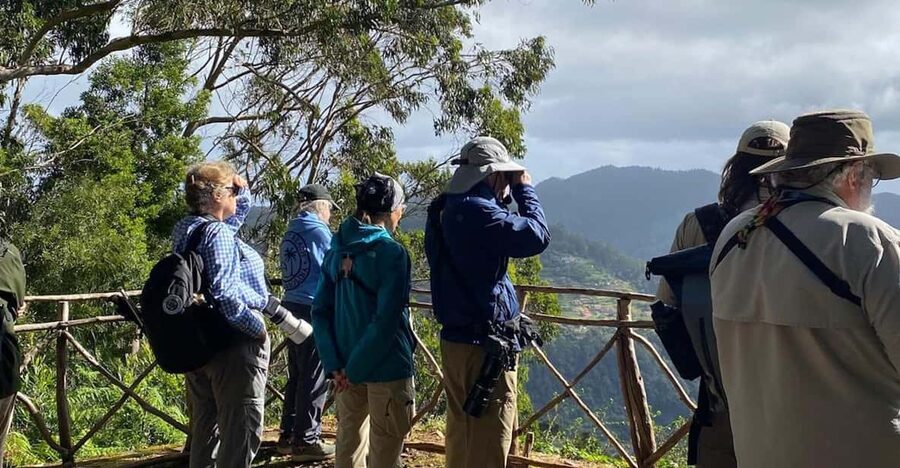
Book this tour if you want a practical introduction to Madeira’s endemic birds, especially the Madeiran Firecrest, Trocaz pigeon, and Madeiran Chaffinch. The strongest reasons are the small group, several distinct bird areas, included observation material, and guides such as Alex or Alexandre who can connect birds with Madeira’s plant life and past.
Skip it if you need guaranteed sightings, a long species list, or constant commentary. The outing can be quiet, and one experience felt repetitive and underexplained. For $64, I see it as a fair specialist tour when you value local access and interpretation more than certainty. Bring water, good shoes, patience, and realistic expectations, and you will give yourself the best chance of enjoying it.
FAQ
Where does the birdwatching tour start and finish?
Pickup is available in Funchal, and the itinerary returns to Funchal. Pickup and drop-off are also available within the Caniço area.
How long does the experience last?
The guided birdwatching tour lasts 4.5 hours.
Which birds might I see?
The main endemic targets are the Madeiran Firecrest, the Trocaz pigeon, also called the Laurel pigeon, and the Madeiran Chaffinch.
Which places does the tour visit?
The tour visits several land sites, including the São Lourenço peninsula and Madeira’s laurel forest. The exact order of stops is not specified.
Is observation equipment provided?
Yes. Observation material is included, and you may bring your own equipment if you prefer.
How large is the group?
The activity is limited to eight participants.
Which languages are available?
The live guide service is offered in English and Portuguese.
What should I bring?
Bring comfortable closed-toe shoes, water, and comfortable clothing. Clothing that can get dirty is recommended.
Can I cancel the booking?
Yes. You can cancel up to 24 hours in advance for a full refund. You can also reserve now and pay later.
Recently added Madeira trips
- Madeira: Private Guided Half-Day Tour of Northwest Madeira★ 5.0 · 3 reviews
- Basic Tour 1 – Shuttle (Quinta do Lorde to Cais do Sardinha) (one way)★ 4.5 · 3 reviews
- Amazing experience with Bees, honey and Pollen in Madeira Island★ 5.0 · 3 reviews
- Madeira: Craft Beer Tour★ 4.2 · 3 reviews
- Shore Excursion – Northwest Terraces and Volcanic Pools 4×4 tour★ 5.0 · 3 reviews
- Wine taste, 4×4 Jeep Adventure and Cabo Girão Skywalk★ 4.5 · 3 reviews
- Madeira all day jeep nature tours.★ 3.7 · 3 reviews
- Funchal: Sacred Art Museum of Funchal Entry Ticket★ 4.6 · 3 reviews